| MadSci Network: Development |
The fetus does not need to know when to connect, because the formation of the umbilical cord involves cells derived from the fertilized egg. The sperm's tail has nothing to do with the process. After the mature egg is fertilized, it begins zygotic cell divisions. Two types of cells are produced, those that contribute to the embryo proper, the inner cell mass, and those that contribute to non-embryonic or extraembryonic tissues, the trophectoderm. |
|
|
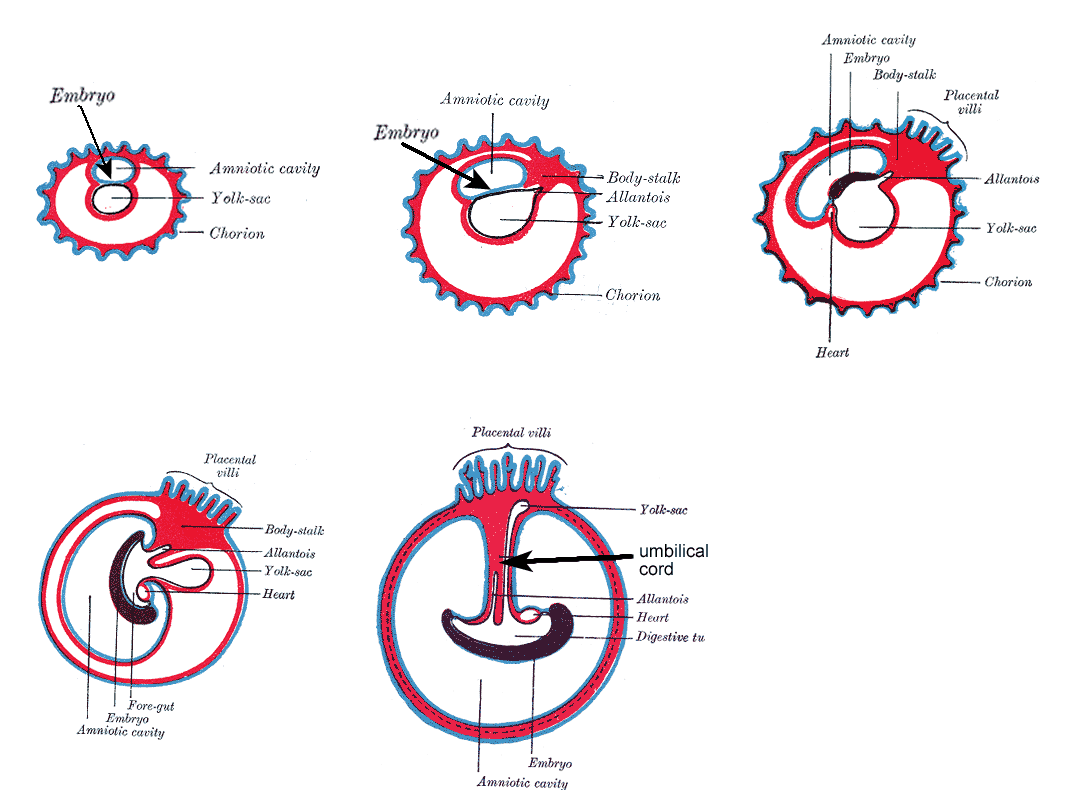
When the embryo implants into the wall of uterus (about 6 days after fertilization), the cells of the trophectoderm and the uterus together form the placenta. The trophectoderm also forms the various embryonic membranes that surround the growing embryo. Part of the trophectoderm develops into the body stalk, and then into the umbilical cord, which consists of two arteries and a vein, connected to the fetus's developing cardiovascular system. So, the developing embryo is connected to the developing placental as soon as implantation into the uterine wall occurs. |
Try the links in the MadSci Library for more information on Development.